

By Okoler Opio Lo Amanu
On the 26th day of January this year, the NRM government celebrated 36 years in power. It is rather unfortunate that what was being celebrated is not reflected in the lives of many Ugandans including a big section of those that attended the function at Kololo Independence grounds.
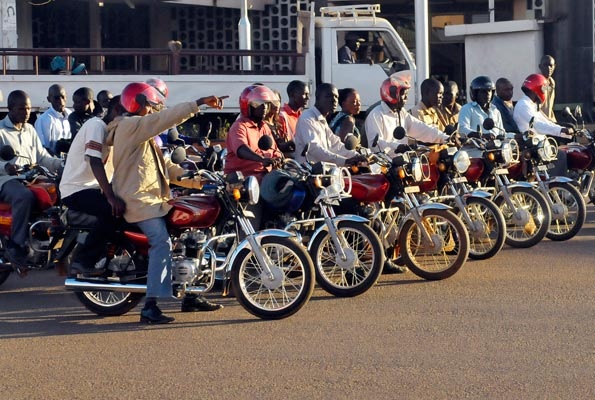
Several ordinary Ugandans are failing to pay boda boda riders to take their children to school due to the high fees asked resulting from the skyrocketing fuel prices which do not only alter the transport fares but are also directly proportional to the prices of services and goods, that is the higher the fuel prices the more expensive the goods and services become, for instance, the sugar that was selling at shs. 2800 is now sold at shs. 3700, a bar of white star soap that was sold at shs. 3000 is now selling at shs. 6000, a litre of cooking oil that used to sell at shs.3000 is now sold at shs. 5500, the big size loaf of bread used to be sold at shs. 3200 now goes for shs. 6000.
The high prices of these commodities shoots affordability far away from the ambit of many people thus rendering their accessibility useless.
Indeed, a big number of Ugandans have painfully given up on using these commodities but, can you imagine a homestead without soap in times where our survival as humans greatly depends on washing hands with soap or detergents!
Noteworthy, all this is happening under a clear recollection of the government's assurance to Ugandans that the fuel prices will drop in two weeks after clearing the cargo trucks at the border points, the carbon trucks were cleared two months or thereabouts ago but the situation hasn't changed.
After capturing power in 1986 President Museveni promised Ugandans an independent, integrated and self-reliant economy. Is the economy independent? Of course it cannot be with a big percentage of our budget being funded by the external development partners and with a tax base of only one million. Is it integrated? How can that be when some neighbours deny some of our product their market because of poor quality grades arising from poor handling of such goods, how can it be when our neighbours close their borders to us for over three years? Is it self reliant? This cannot be when we have a public debt of US $18.9billion this being by far bigger than the country's national budget which is merely US $ 12.7billion.
Therefore, it is is not in doubt that thirty six years down the road we seem to have not moved an inch. I do not think that Ugandans are living this promise when many cannot afford the basic commodities.
I want to believe that the biggest mistake done by the NRM government is surrendering the administration of key sectors namely; transport, health and education to private entrepreneurs whose major object is to make a profit at whatever cost including cheating ipso facto the government becomes powerless at a time when Ugandans are being cheated by these money "sharks".
This fact is alive in contemporary Uganda, we have seen the Prime Minister offer nothing but lamentations in times when Ugandans were being exorbitantly charged hundreds of millions by private health care facilities to treat COVID 19.
Recently during the high fuel prices debacle, the leader of government business in the 11th parliament lamented again but this time around advising Ugandans to shun petrol stations that sold fuel expensively as if to suggest that there were those selling fuel at lower prices, my friend Kiyimba Shafick would say in a Luganda dialect that " Ki Uganda kinyuma' literally meaning that Uganda is interesting. These and many more incidences usher in the big question of who does the NRM government work for? Your guess is as good as mine. The governments that work for the people will always protect the Interests of citizens from those of business owners by taking charge of the prices of services and goods in key sectors.
Uganda should benchmark countries like Nigeria in developing a legal framework to control prices of services and goods in the economy. The government of Nigeria enacted the Price Control Act with a fully-fledged price control board to prevail over business owners attempting to cheat the citizenry.
The education sector is another mess, the school fees and a list of requirements are determined by the school owners as the government looks on, oftentimes, the schools ask for more than actually what the students put to use for instance why to ask for five dozens of books, eight reams of paper, two bags of cement, development fee paid on a termly basis and yet the school fees asked from parents is in humongous sums.
While advising schools to allow pregnant and breastfeeding teenagers in class, some school owners rejected the proporsal and the government couldn't do a thing because it is without power in respect of directing events in key sectors. What sort of government is this that doesn't give priority to what affects the people but rather comes in full force to subdue political opponents?
Lastly, I believe strongly that there is one remedy to the current crisis of high prices of commodities that are bedevilling ordinary Ugandans.
Let the government enact a strong legal framework regulating the prices of commodities and services especially in key sectors, the law should be equipped with sharp sanctions against those that violate it, this won't be new in Uganda we have had such laws before and the population was protected.
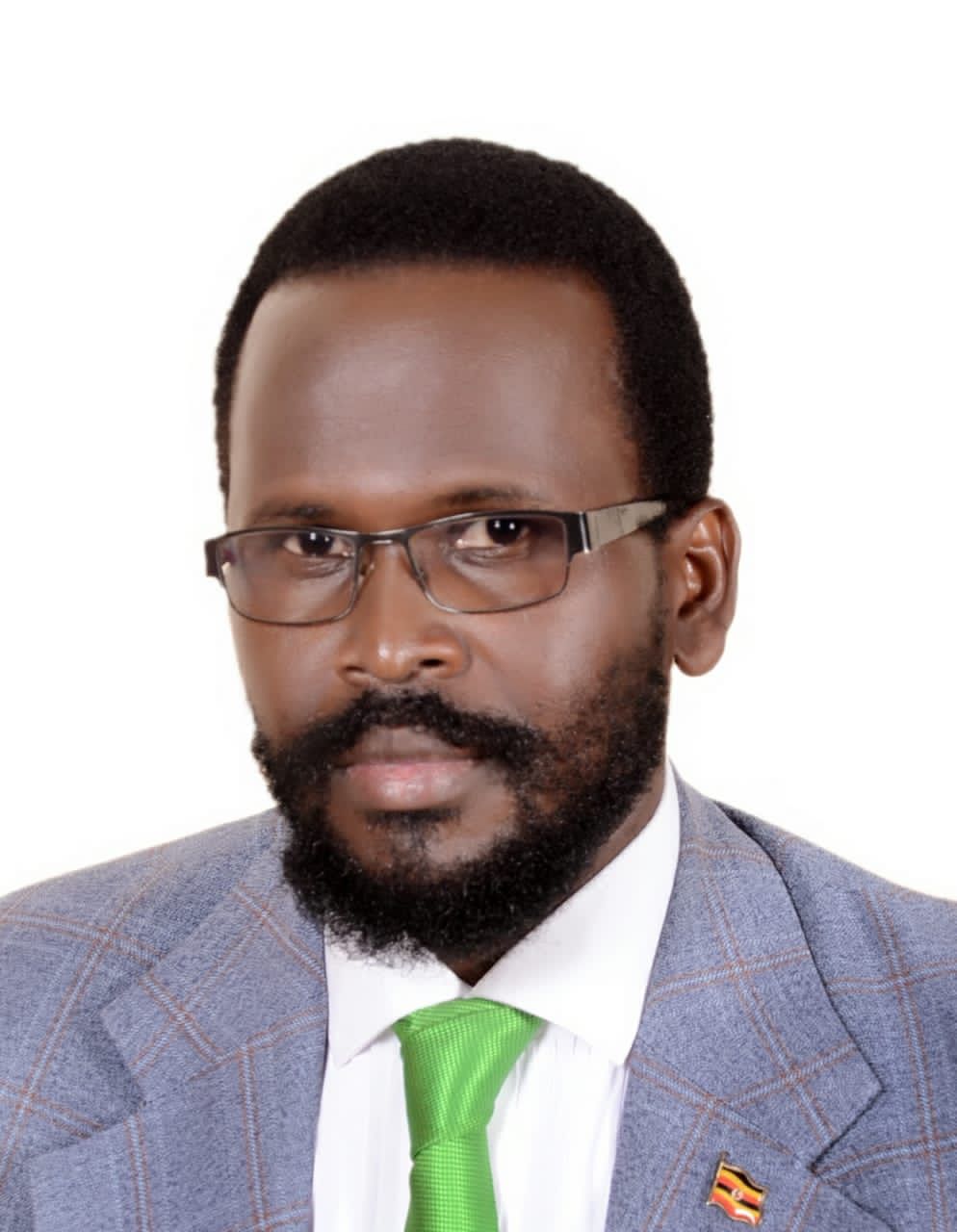
Okoler Opio Lo Amanu
Spokesperson DP